
Jet Pump
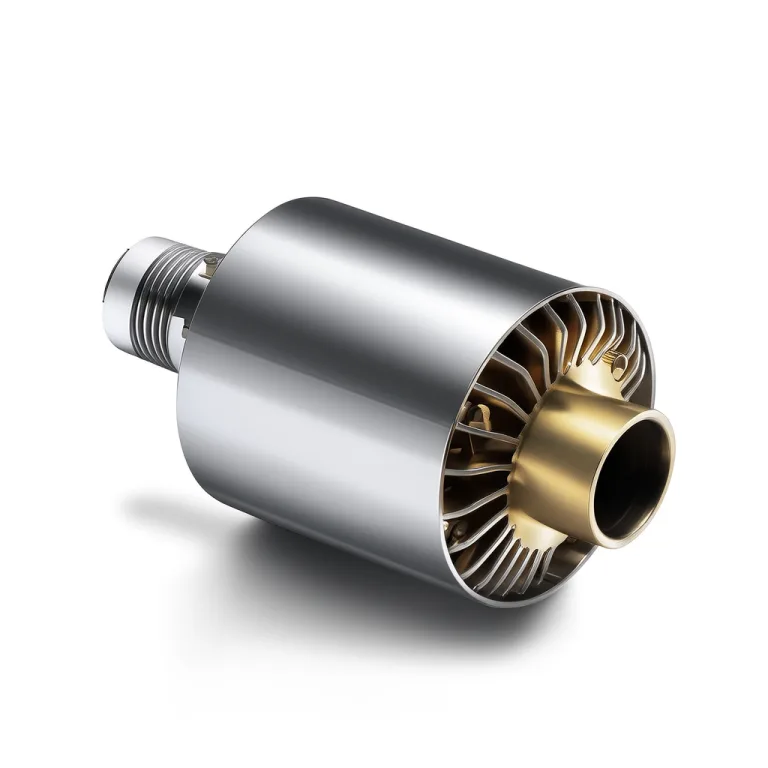
Jet Pump for industrial applications.
About Jet Pump
Jet Pump for industrial applications.
| Domain | electrical |
|---|---|
| Product Family | Pumps |
Who Works With Jet Pump?
8 engineering roles are connected to Jet Pump based on verified research evidence.
Reliability Engineer
Maintenance Engineer
The title denotes a recognized engineering role focused on maintenance of servo drives; 'Servo Drive' is a product-specific modifier, but the core professional role is 'Maintenance Engineer', a widely accepted title in industrial electrical engineering. Evidence from LinkedIn job postings confirms its usage for professionals performing fault diagnosis, root cause analysis, and corrective maintenance on servo drive systems.
Operations Engineer
Operations Engineer is a widely recognized professional role in process industries, especially in carbon capture and industrial gas applications. It denotes an engineering professional responsible for ensuring safe, efficient, and reliable operation of process units—including CO2 Drying Units. The role bridges process knowledge and operational execution; it is not product-specific (e.g., not 'CO2 Drying Unit Operations Engineer'), so canonical form remains 'Operations Engineer'. Evidence from job boards (Indeed) confirms active use in carbon capture contexts.
Production Engineer
Production Engineer is a well-established, widely recognized engineering role in oil & gas and industrial fluid systems. In the context of jet pumps for artificial lift, Production Engineers are core stakeholders who specify performance requirements, select appropriate pump types (e.g., jet vs. ESP), optimize system operation, and troubleshoot underperformance — directly interfacing with reservoir engineers as cited in evidence.
Process Engineer
Beverage Process Engineer is a recognized engineering role specializing in process design, validation, and compliance for beverage manufacturing systems. While 'Beverage' denotes industry context (not product-specific specialization), the role directly engages with ribbon blenders — particularly in specification, commissioning (including IQ/OQ), CIP/SIP integration, and 3-A sanitary validation — all cited in job listings. 'Process Engineer' is the canonical, general professional title; 'Beverage' reflects domain application, not an inseparable part of the core role definition.
Petroleum Engineer
Petroleum Engineer is a nationally and internationally recognized engineering profession (BLS SOC 17-2171). Though the product domain is electrical, the jet pump context is industrial fluid handling—specifically artificial lift in oil & gas production—where petroleum engineers are primary stakeholders who design, specify, operate, and troubleshoot jet pump systems. Their role is not subordinate to or derived from electrical engineering; it is domain-specific and authoritative for this application. No product-specific prefix (e.g., 'Jet Pump Petroleum Engineer') is present, so canonical form is retained.
Field Technician
Field Technician is a widely recognized professional role in industrial engineering contexts, especially for commissioning, startup, maintenance, and troubleshooting of process equipment like Gas Pressure Regulating Skids. Evidence explicitly links them to installation and FAT/SAT (Factory Acceptance Test / Site Acceptance Test), confirming involvement in commissioning, inspection, and operational readiness activities.
Mechanical Engineer
Facilities Mechanical Engineer is a widely recognized professional role in building services and HVAC engineering, focused on the design, operation, maintenance, and optimization of mechanical systems—including chillers—in commercial and industrial facilities. While 'Facilities' denotes a domain specialization (not product-specific), it does not make the title product-specific (e.g., not 'Chiller Mechanical Engineer'). The role is distinct from generic Mechanical Engineer due to its consistent association with facility infrastructure, lifecycle management, and integrated HVAC system oversight. Evidence from job boards (Indeed) confirms real-world usage with explicit chiller-related responsibilities.