
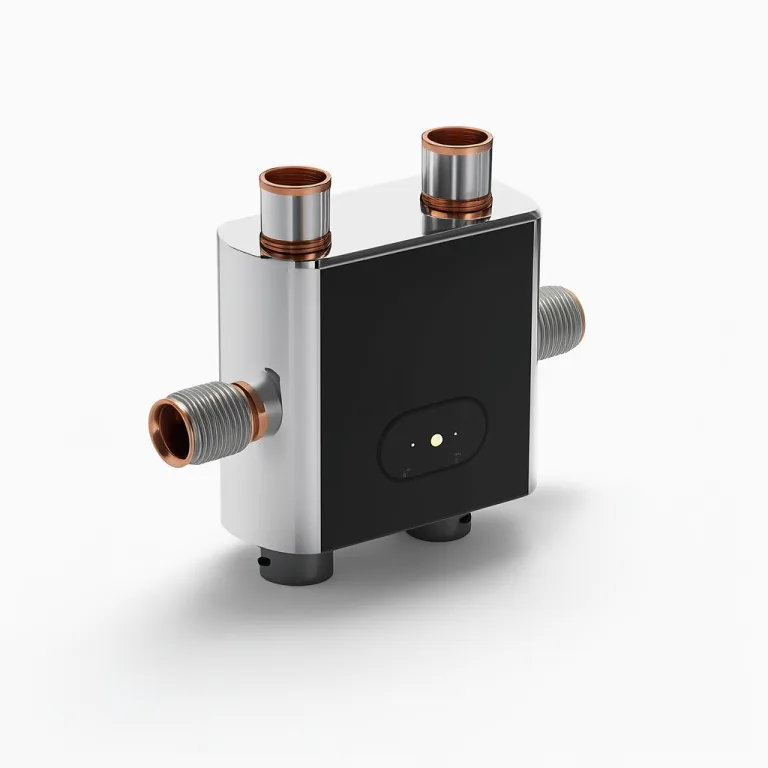
Hot Water Circulation Pump
Hot Water Circulation Pump for industrial applications.
About Hot Water Circulation Pump
Hot Water Circulation Pump for industrial applications.
| Domain | electrical |
|---|---|
| Product Family | Pumps |
Who Works With Hot Water Circulation Pump?
5 engineering roles are connected to Hot Water Circulation Pump based on verified research evidence.
Maintenance Technician
Technician
Technician is a widely recognized professional role in HVAC engineering, explicitly referenced in ASHRAE guidance for cooling tower systems. While generic, it denotes a credentialed, hands-on technical role responsible for installation, commissioning, operation, inspection, maintenance, troubleshooting, and testing of HVAC equipment including cooling towers. It is not product-specific (e.g., no 'Cooling Tower Technician' prefix), so product_specific_title = false. The role is distinct from engineers or operators and falls under the Maintenance family with broad technical execution responsibilities.
Engineer
Mechanical Design Engineer
HVAC or mechanical design engineer is a recognized professional role; in the context of hot water circulation pumps for industrial applications, this role contributes to system-level integration, sizing, piping layout, thermal-fluid interface design, and specification of pump performance requirements. Although 'HVAC' suggests broader building systems, the evidence explicitly links this role to hot water circulation systems — a key application domain overlapping mechanical engineering and industrial fluid systems. 'Mechanical Design Engineer' is the canonical, widely recognized title; 'HVAC' here reflects a domain specialization, not a distinct profession.
Mechanical Engineer
Facilities Mechanical Engineer is a widely recognized professional role in building services and HVAC engineering, focused on the design, operation, maintenance, and optimization of mechanical systems—including chillers—in commercial and industrial facilities. While 'Facilities' denotes a domain specialization (not product-specific), it does not make the title product-specific (e.g., not 'Chiller Mechanical Engineer'). The role is distinct from generic Mechanical Engineer due to its consistent association with facility infrastructure, lifecycle management, and integrated HVAC system oversight. Evidence from job boards (Indeed) confirms real-world usage with explicit chiller-related responsibilities.