
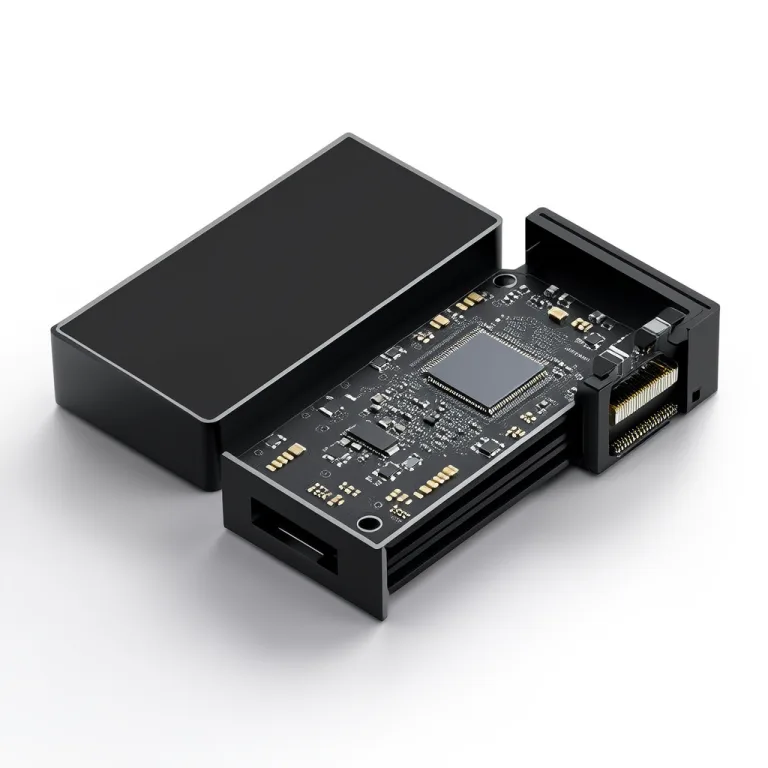
Embedded Vision Processor Module
Embedded Vision Processor Module for industrial applications.
About Embedded Vision Processor Module
Embedded Vision Processor Module for industrial applications.
| Domain | electrical |
|---|
Who Works With Embedded Vision Processor Module?
4 engineering roles are connected to Embedded Vision Processor Module based on verified research evidence.
Technician
Technician is a widely recognized professional role in HVAC engineering, explicitly referenced in ASHRAE guidance for cooling tower systems. While generic, it denotes a credentialed, hands-on technical role responsible for installation, commissioning, operation, inspection, maintenance, troubleshooting, and testing of HVAC equipment including cooling towers. It is not product-specific (e.g., no 'Cooling Tower Technician' prefix), so product_specific_title = false. The role is distinct from engineers or operators and falls under the Maintenance family with broad technical execution responsibilities.
Embedded Systems Engineer
Embedded Vision Engineer is a widely recognized, domain-specific engineering role in industrial automation and embedded systems development. While 'Embedded Vision' denotes a technical specialization (vision algorithms + embedded hardware/software co-design), the core professional identity aligns with the broader, established role of Embedded Systems Engineer. The specialization is genuine and technically grounded — involving real-time image processing, camera interface integration (e.g., MIPI CSI-2), and optimization for vision processor modules — but not so narrow as to be non-standard (e.g., unlike 'Xilinx Zynq UltraScale+ MPSoC Vision Integrator', which would be over-specialized). The role directly engages with the Embedded Vision Processor Module across design, specification, integration, and validation.
Integration Engineer
Robotics Integration Engineer is a widely recognized engineering role in industrial automation, responsible for integrating robotic systems (e.g., pick-and-place robots) with conveyor-based material handling systems. In the context of belt conveyors, this role designs interface logic, synchronizes motion control between robots and conveyors, validates safety interlocks (per ANSI/ISO), and commissions the integrated system. While 'Robotics' specifies the domain, 'Integration Engineer' is the canonical, broadly accepted title; robotics is a valid and common specialization—not over-specialized—given its distinct body of knowledge, certifications (e.g., RIA), and industry usage.
Electronics Technician
The title 'Embedded Vision Systems Technician' describes a hands-on technical role focused on integration, testing, and support of embedded vision hardware—including processor modules, industrial cameras, and FPGA/SoC platforms—in industrial automation contexts. While 'Embedded Vision Systems Technician' appears in job boards (e.g., Indeed), it is a context-specific variant rather than a widely standardized occupational title (e.g., not listed in O*NET or ISO 13482). The core function aligns with Electronics Technician—a recognized professional role—with specialization in vision-enabled embedded systems. Given the product domain (electrical) and context (Embedded Vision Processor Module for industrial applications), this technician engages directly in installation, commissioning, functional testing, troubleshooting, and maintenance.